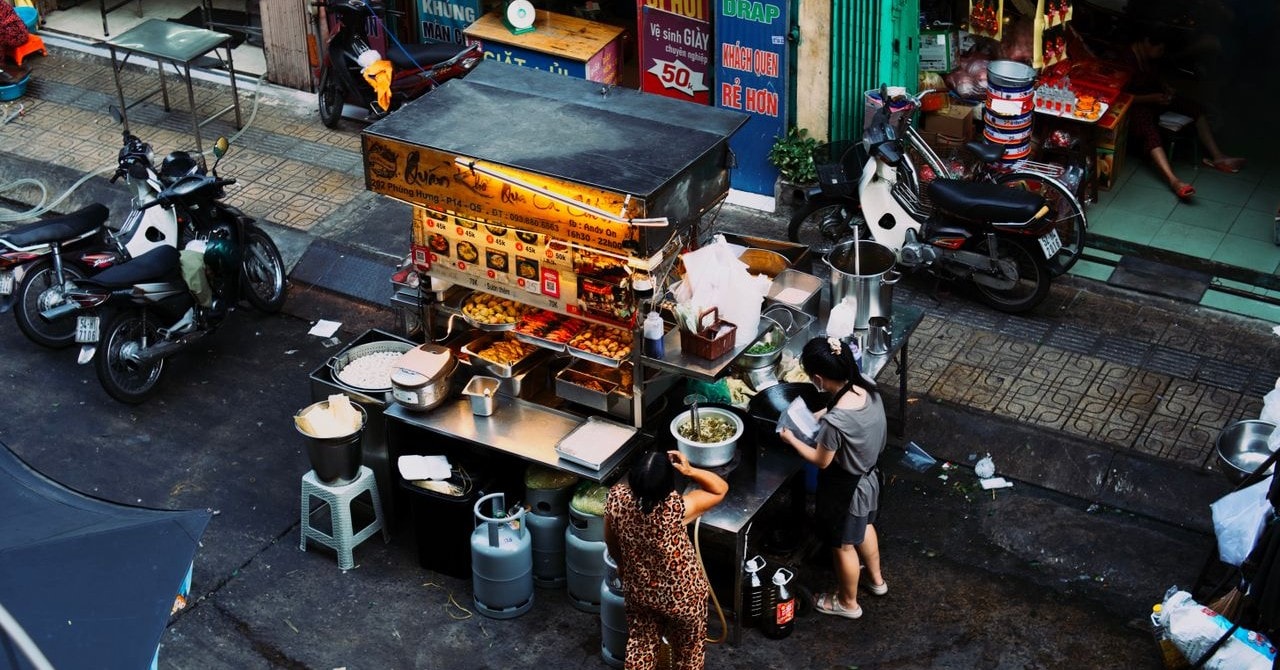
Vietnam has quietly become one of the most talked-about destinations for Indian travellers this year, with airlines and tour operators reporting a sharp rise in bookings out of Delhi and Mumbai. Most of that pull isn't the scenery — it's the food. Between a bowl of pho at a plastic-stool sidewalk stall and an egg coffee in Hanoi's Old Quarter, Vietnam offers one of Southeast Asia's most distinctive food cultures, and September to November is exactly when the weather across the country makes it easiest to eat your way through it.
Here's a practical guide to what to eat, where the food culture actually lives, how vegetarians can manage, and what a trip built around Vietnamese food costs and takes to plan.
Why Vietnamese Food Is Having a Moment With Indian Travellers
Vietnamese cooking sits in an unusual spot for Indian palates — it's built on fresh herbs, broths, and quick-cooked proteins rather than heavy spice or oil, so it reads as light and different rather than unfamiliar. Fish sauce, lemongrass, mint, and rice noodles show up across the menu in place of the cream- or oil-based sauces common in Thai or Chinese cooking, which is part of why it's been picking up a reputation among Indian travellers looking for something distinct from the usual Southeast Asia food-trip route through Bangkok or Bali.
Vietnam's tourism numbers from India have been climbing steadily through 2026, and direct flight connections from Delhi and Mumbai to Hanoi and Ho Chi Minh City have made a food-focused long weekend or week-long trip far more straightforward than it was a few years ago.
The Dishes Worth Building a Trip Around
A few dishes are worth knowing before you land, since they vary meaningfully by region:
Pho — the beef or chicken noodle soup most people already know by name — is a northern Vietnamese dish at heart, and Hanoi's versions tend to be more delicate and less sweet than what you'll find further south. Bun cha, grilled pork patties served in a bowl of sweet-sour fish sauce broth with rice noodles and herbs on the side, is a Hanoi specialty worth seeking out specifically. Banh mi, the French-influenced baguette sandwich stuffed with pork or egg, pickled vegetables, and coriander, is sold everywhere but is genuinely a different experience from a street cart than from a hotel breakfast buffet.
Move south to Hoi An and cao lau — thick noodles, pork, and greens, made with water that locals say has to come from a particular well in town — is the dish to try, alongside banh xeo, a crispy turmeric pancake folded over pork, shrimp, and bean sprouts. In Ho Chi Minh City, com tam (broken rice with grilled pork chop) is the everyday lunch dish worth trying at least once, and the city's Chinese-influenced dim sum and hotpot scene reflects its history as a major trading port.
Vegetarian and Jain-Friendly Eating
Vegetarian travel is genuinely manageable in Vietnam, though it takes a little more attention than in India. Fish sauce (nuoc mam) is used widely, including in dishes that otherwise look vegetarian, so it's worth learning to ask for food "chay" (the Vietnamese word for vegetarian/Buddhist-vegetarian) rather than assuming a vegetable dish is automatically fish-sauce-free. Buddhist vegetarian ("com chay") restaurants exist in most major cities, particularly around pagodas, and serve genuinely meat- and fish-sauce-free meals, often on the 1st and 15th of the lunar month when many local Buddhists eat vegetarian themselves.
For Jain travellers or anyone avoiding onion and garlic, this requires more planning — most Vietnamese cooking uses both liberally, so it's worth carrying a translated card explaining specific requirements and sticking to simple stir-fried vegetables and rice, or Indian restaurants, which have opened up in reasonable numbers in Hanoi and Ho Chi Minh City in recent years.
Where the Food Culture Actually Lives
Hanoi's Old Quarter is the obvious starting point — a dense grid of streets where entire lanes specialise in one dish, and where plastic stools on the pavement are as much a part of the meal as the food itself. Hoi An Ancient Town, a UNESCO-listed riverside town near Da Nang, is smaller and easier to navigate on foot, and its food scene ties directly into its history as a centuries-old trading port where Chinese, Japanese, and later French influences all left a mark on the local kitchen. Ho Chi Minh City (still commonly called Saigon) is the fastest-paced of the three, with a mix of street food, an active café culture, and a growing fine-dining scene layered on top of the older food traditions.
Markets are worth building time for too — Hanoi's Dong Xuan Market and Ho Chi Minh City's Ben Thanh Market both have food sections where you can watch dishes being made rather than just served.
Beyond the Plate: Coffee and Everyday Culture
Vietnamese coffee culture is worth understanding on its own terms. Coffee arrived with French colonisation and has since become something distinctly Vietnamese — strong, dark-roast robusta beans dripped slowly through a small metal filter (a phin) and often mixed with condensed milk. Egg coffee, a Hanoi specialty made by whisking egg yolk, sugar, and condensed milk into a custard-like foam over strong coffee, traces back to a single Hanoi café from the 1940s and has since spread across the country as a menu staple.
Around markets, pagodas, and family-run eateries, a few basic courtesies go a long way: dress modestly when visiting pagodas and temples (covered shoulders and knees), remove footwear where locals do, and treat street-food vendors — many of whom have run the same stall for decades — as skilled cooks rather than a novelty to photograph without asking.
Frequently Asked Questions
Do Indians need a visa for Vietnam?
Yes — Indian citizens need an e-visa, applied for online in advance through Vietnam's official immigration portal, and as of late 2025 the single-entry e-visa fee stood at roughly USD 25 with about 90 days' validity and 3 working days' standard processing, though fees are set by the Vietnamese government and can change, so it's worth confirming the current rate before you apply.
Is Vietnamese food easy for vegetarians?
It's manageable but not automatic — ask for "chay" (vegetarian) dishes specifically, since fish sauce is used in many dishes that otherwise look plant-based, and dedicated Buddhist-vegetarian restaurants are common in most cities.
What's the best time to visit Vietnam for a food trip?
March–April and September–November bring milder weather across both the north and south, while June–August is hot and humid, especially in the south.
Budget, Duration and Planning Basics
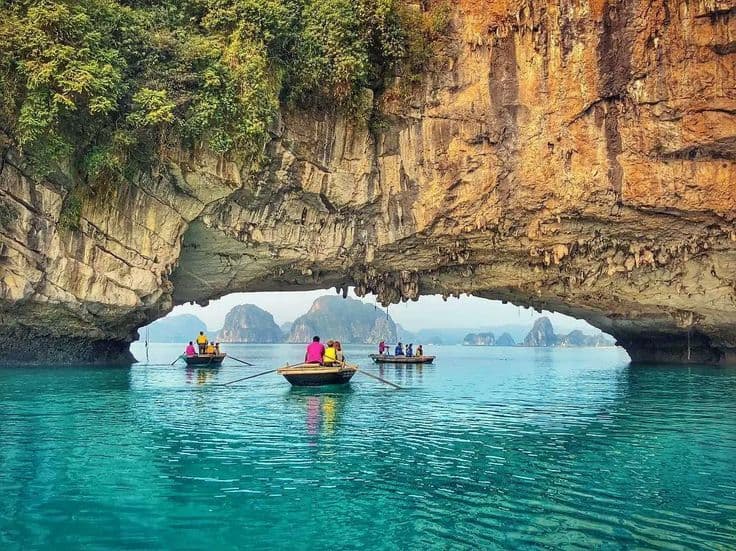
A mid-range trip runs roughly ₹3,500–6,000 per day, covering food, local transport, and a mid-range hotel — Vietnamese street food itself is inexpensive, so food costs rarely stretch a budget the way accommodation or an overnight Ha Long Bay cruise (₹6,000–12,000 per person per night, depending on boat class) can. Seven to eight nights is a comfortable length to cover Hanoi, Ha Long Bay, Hoi An, and Ho Chi Minh City without rushing between them, though a shorter 4-5 night trip focused on just the north or just the south works well for a first visit built primarily around food.
From Delhi, direct flights to Hanoi or Ho Chi Minh City run around 5-5.5 hours; from Kanpur or Lucknow, allow 9-11 hours door to door once you factor in the connection through Delhi or Mumbai.
Ready to plan a Vietnam trip around its food and culture? Explore our Vietnam destination guide for itineraries and tour options, or WhatsApp us at +91-9044-489-940 to start planning your trip.