Varanasi, Prayagraj and Ayodhya sit within a day's train ride of Kanpur, yet this trio rarely gets planned as one trip the way Kashmir or Kerala do. That's changing — infrastructure upgrades across all three cities over the past couple of years have made the circuit easier to travel than ever, and interest in this stretch of Uttar Pradesh has been climbing steadily. With Diwali falling on November 8, 2026 and Dev Deepawali — the night Varanasi's ghats are lit with lakhs of diyas — following on November 24, 2026, the next few months are genuinely one of the best windows to go.
Here's a practical, no-fluff guide to planning the trip: when to go, how to get there from Kanpur, what it costs, and how to structure your days across all three cities.
Why October to March Is the Best Window for This Trip
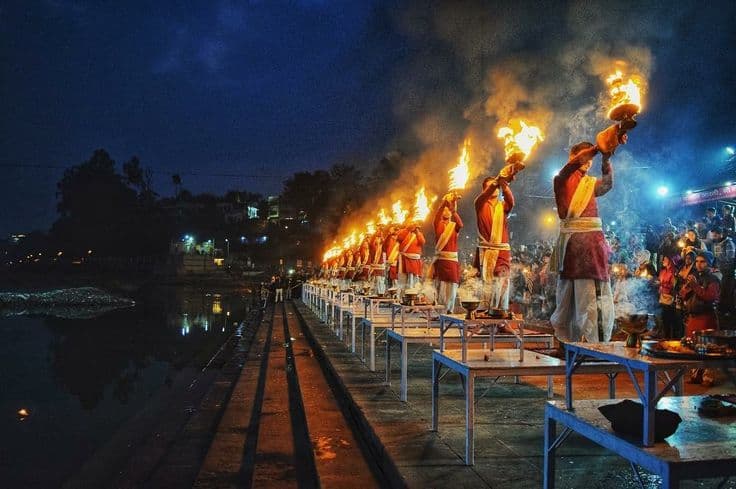
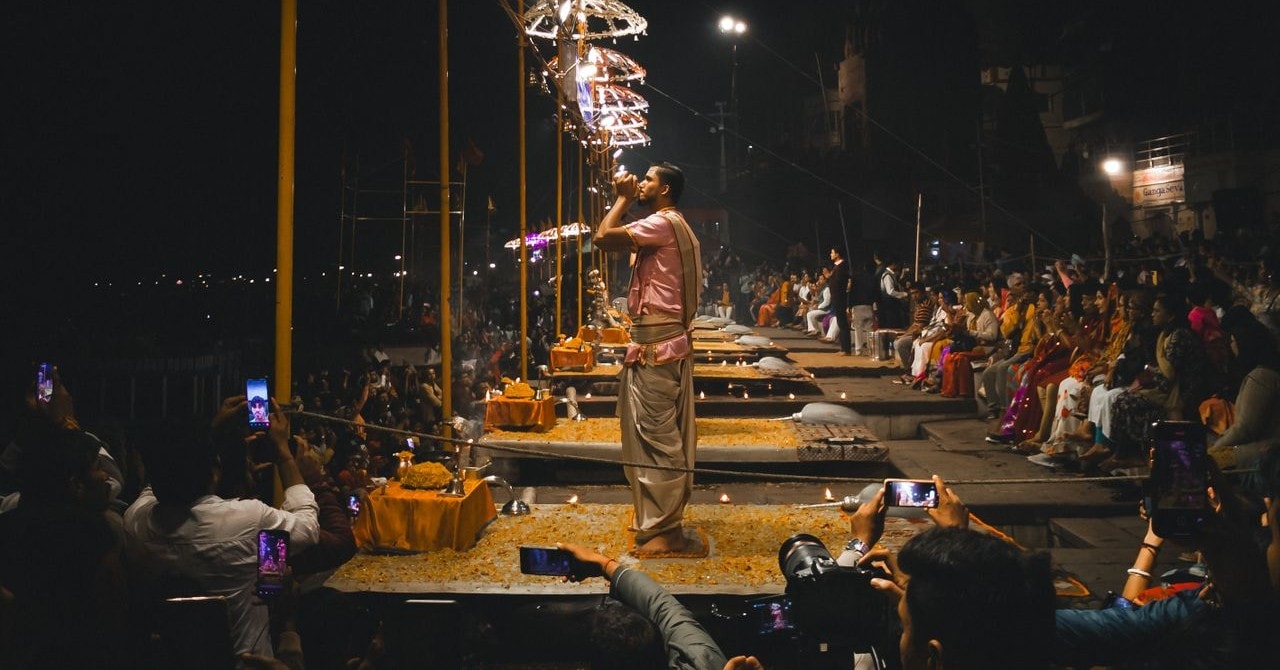
Varanasi's ghats flood during the monsoon and the region's summer heat makes long days of temple-hopping and walking uncomfortable. October to March is the recommended stretch — cooler mornings and evenings, dry ghats, and comfortable daytime temperatures for sightseeing. This year, the window opens with two big dates back to back: Diwali on November 8, 2026, and Dev Deepawali on November 24, 2026, when Dashashwamedh Ghat and the ghats around it are lined with diyas and the evening Ganga Aarti is scaled up into one of the city's biggest annual events. If you can build a trip around that week, it's worth it — but the entire October–March stretch works well even outside festival dates.
How to Reach Varanasi, Prayagraj & Ayodhya from Kanpur
This is one of the most convenient international-or-domestic circuits AdventurePedia covers for a Kanpur-based traveller. Varanasi is a direct train or road journey of roughly 5–6 hours from Kanpur — no connecting flights, no long layovers. From Varanasi, both Prayagraj and Ayodhya are short hops of 2–4 hours by road or rail, which is what makes covering all three cities in one trip realistic rather than exhausting. If you're short on time, Delhi also has direct flights to Varanasi (around 1.5 hours) or an overnight train (10–12 hours), useful if you're combining this with travel from elsewhere.
Budget Breakdown
This circuit is genuinely one of the more affordable trips on AdventurePedia's list — a mid-range budget runs roughly ₹2,000–4,000 per day, covering decent hotels, local transport, meals and temple visits. That's before your onward travel from Kanpur, which is inexpensive on this route compared to flying internationally or even to far-flung parts of India. Boat rides on the Ganga, prasad offerings, and guided walks are typically small, optional add-ons rather than big line items. If you're travelling as a family or group, sharing cars between the three cities usually works out cheaper per person than three separate point-to-point bookings.
A Practical Route Across the Three Cities
Most travellers need 5–6 days to cover Varanasi, Prayagraj and Ayodhya comfortably, or 2–3 days if you're focusing on Varanasi alone. A route that works well:
Days 1–2 (Varanasi): Kashi Vishwanath Temple, the evening Ganga Aarti at Dashashwamedh Ghat, an early-morning boat ride along the ghats, and Sarnath (where Buddha delivered his first sermon) as a half-day trip.
Day 3 (Prayagraj): Triveni Sangam — the confluence of the Ganga, Yamuna and the mythical Saraswati — and Anand Bhavan, the Nehru family's ancestral home, now a museum.
Days 4–5 (Ayodhya): Shri Ram Janmabhoomi and Hanuman Garhi, along with the ghats along the Sarayu River.
Add a day as a buffer for travel between cities, especially if you're going during the Dev Deepawali week when Varanasi sees heavier footfall and traffic near the ghats.
FAQs
How many days do you need for Varanasi, Prayagraj and Ayodhya?
Plan on 5–6 days to cover all three cities without rushing, or 2–3 days if you're visiting Varanasi on its own.
What's the best time to catch the Ganga Aarti in Varanasi?
The Ganga Aarti is held every evening at Dashashwamedh Ghat year-round, but visiting between October and March avoids both the summer heat and monsoon flooding of the ghats — and if your dates line up with Dev Deepawali on November 24, 2026, you'll see it at its biggest scale of the year.
Is Prayagraj only worth visiting during the Kumbh Mela?
No — Triveni Sangam and the city's temples are open and worth visiting year-round; the Kumbh Mela simply draws exceptional crowds on the years and dates it occurs.
Practical Travel Tips
Dress modestly at all three cities' temples and ghats — shoulders and knees covered is a safe standard. Most major temples on this circuit, including Kashi Vishwanath and Ram Janmabhoomi, restrict mobile phones, cameras and leather items inside the inner sanctum, so check for locker or cloakroom facilities near the entrance before you queue. Mornings are the quietest time on the ghats and at the temples — arrive early if you'd rather avoid the crowds that build up by mid-morning, especially around festival dates. Carry a light shawl or jacket for winter evenings by the river, since temperatures drop noticeably once the sun sets between November and February.
If you'd rather have the logistics — hotels, local transport, and a guided route between the three cities — handled for you, AdventurePedia runs a dedicated Varanasi–Prayagraj–Ayodhya tour package, along with a more immersive Kashi Heritage Walking Tour for those who want to slow down in Varanasi itself. You can see the full circuit, attractions and trip details on our Uttar Pradesh destination page, or message us directly on WhatsApp at +91-9044-489-940 to plan your dates around Dev Deepawali or any other week that works for you.