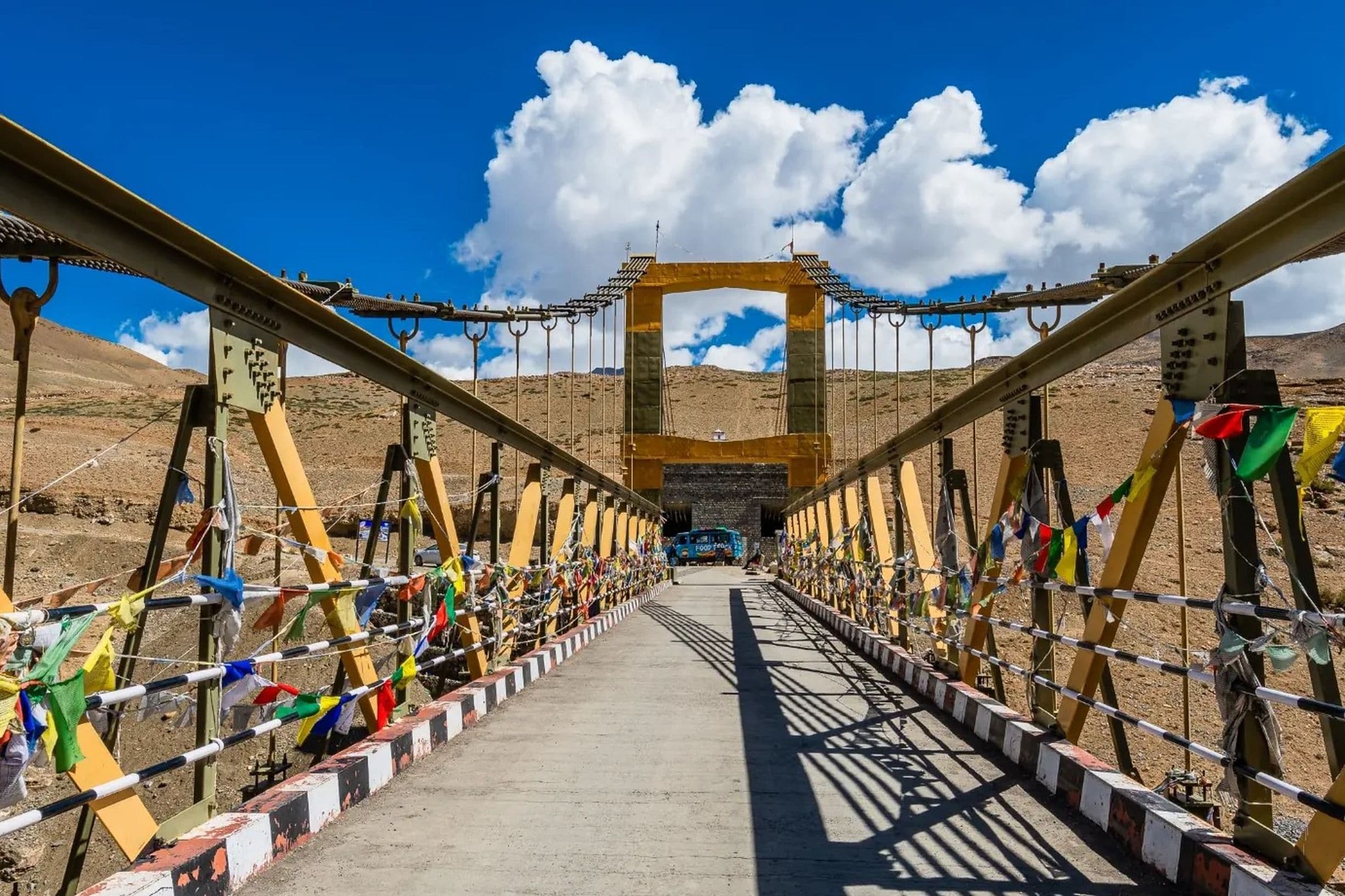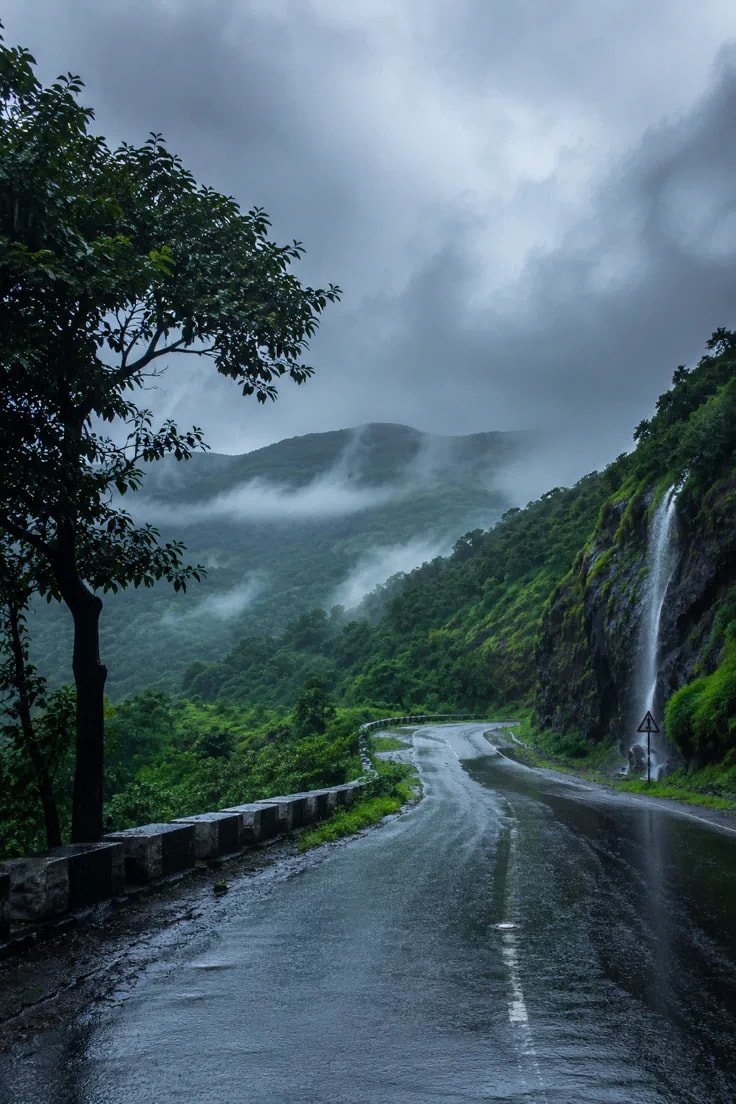
Every year between June and September, India transforms. Waterfalls appear overnight, valleys turn impossibly green, and tourist crowds thin out — leaving some of the country's most beautiful landscapes almost entirely to you. But monsoon travel comes with real risks: flash floods, landslides, washed-out roads, and unpredictable weather that can turn a dream trip into a disaster in hours.
This isn't meant to scare you away from monsoon travel — some of India's best experiences happen in the rains. This guide gives you 10 practical safety tips so you can enjoy the monsoon without putting yourself at risk.
1. Check Road Conditions Before You Leave — Not Just Weather
Weather apps tell you it'll rain. They don't tell you that the Manali-Leh highway is closed because a bridge washed out 3 days ago. Before any monsoon trip, check:
BRO (Border Roads Organisation) updates for Himalayan routes
State tourism Twitter handles — they post closures in real time
Local drivers and hotel owners — call ahead, they know more than any app
This matters most for road trips to Spiti Valley, Ladakh, Uttarakhand, and the Northeast.
2. Avoid River Crossings and Waterfall Treks After Heavy Rain
This is how most monsoon accidents happen. A stream that's ankle-deep in the morning can become waist-high and violent by afternoon. In July 2024, tourists were swept away at Jog Falls after ignoring barriers. The rule is simple: if it rained heavily in the last 6 hours, skip the waterfall trek. It'll be there tomorrow.
3. Pack for Wet, Not Just for Rain
Everyone packs a raincoat. Few people pack for the reality of being wet for 3 days straight. Your monsoon packing list should include:
Quick-dry clothing — cotton stays wet and gets cold
Waterproof bags for electronics and documents (ziplock bags work)
Extra footwear — one pair will be wet at all times
Waterproof phone pouch — your phone is your map, camera, and emergency contact
Anti-fungal powder — humidity + wet shoes = problems by day 3
4. Choose Destinations in the Rain Shadow
Not all of India gets drenched equally. Some destinations sit in rain-shadow regions and get clear weather even in peak monsoon:
Spiti Valley— cold desert, barely any rain
Ladakh — accessible July-September, minimal rainfall
Rajasthan— brief showers make the desert green without flooding
Andaman Islands — short spells, not continuous downpours
If you want lush green monsoon beauty without the risk, Kerela and Meghalaya handle heavy rain well because the infrastructure is built for it.
5. Never Drive Through Flooded Roads
If you can't see the road surface, don't drive through it. Floodwater hides potholes, open manholes, and washed-out sections. In cities, waterlogging can stall your car and strand you. In mountains, a flooded patch often means the road underneath has eroded. Turn around. Find an alternate route. Wait it out.
6. Keep Emergency Contacts Saved Offline
Network coverage drops in remote areas, especially during heavy rain. Before you leave, save these on your phone (screenshot, not bookmarked):
National Disaster Helpline: 1078
State disaster management number for your destination
Your hotel/homestay landline (mobiles fail, landlines often work)
Nearest district hospital address and number
Your travel operator's emergency contact
7. Get Travel Insurance — Specifically for Monsoon
Standard travel insurance often excludes "natural disaster" disruptions. For monsoon travel, look for policies that cover:
Trip cancellation due to weather/road closures
Emergency medical evacuation
Hotel rebooking costs from itinerary changes
It costs ₹300–₹800 for a domestic trip. That's less than one cancelled hotel night.
8. Stay Updated on Landslide-Prone Zones
The Geological Survey of India publishes landslide susceptibility maps. High-risk zones during monsoon include:
Himachal Pradesh (Kullu-Manali axis, Kinnaur)
Uttarakhand (Chamoli, Rudraprayag)
Kerala (Wayanad, Idukki — 2024 Wayanad landslide was a stark reminder)
Northeast India (Manipur, Mizoram hill roads)
This doesn't mean you can't go — it means you check conditions daily and have a flexible itinerary.
9. Build Buffer Days Into Your Itinerary
The biggest monsoon travel mistake is a tight schedule. Flights get diverted. Roads close for 12–48 hours. Ferries get cancelled. If your itinerary has zero slack, one delay cascades into missed connections, lost bookings, and stress.
Rule of thumb: Add 1 buffer day for every 3 planned travel days during monsoon season.
10. Travel With an Operator Who Knows Monsoon Ground Realities
A good travel operator doesn't just book hotels — they monitor conditions, reroute when needed, and have local contacts who report road status in real time. This is where Group Tours and operator-managed Custom Packages genuinely earn their value. You're not figuring out a washed-out bridge alone at 7 PM in the rain.
At AdventurePedia, our Kanpur-based ops team tracks weather and road conditions for every active trip. If a route closes, we reroute same-day — not next-day.
Plan Your Monsoon Trip With AdventurePedia
Monsoon is one of the best times to travel in India — if you do it right. We run Group Tours and operator-managed Custom Packages to monsoon-safe destinations including Spiti, Kerala, Meghalaya, Coorg, and Andaman.
Browse our Monsoon Tour Packages or WhatsApp us at +91-9044-489-940 to plan a safe, stunning monsoon trip.